Manufactured Home Communities (MHCs) Support Aging Adults and People with Disabilities
People with disabilities and the elderly often face similar challenges.
- Health issues and rising medical costs
- Limited mobility and need for accessible housing & support services
- Fixed incomes
- Risk of social isolation
The US population has been rapidly aging since 2011 when the first Baby Boomers reached the age of 65. Between 2010 and 2020, New Mexico’s total population increased by 2.8%, but the population of people 65 and older increased by 43.7%. The number of people 65 and over is projected to continue growing until 2030 when the last Boomers turn 65.
Nationwide, the percentage of the population 65 and older is 17.3%. In New Mexico, it is 19.2%. The national percentage of people between 18-64 with disabilities is 10%. It is 12.9% in New Mexico.
Financial Vulnerability
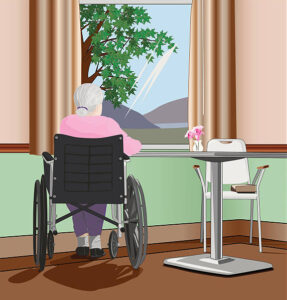
Aging Americans and people with disabilities face growing financial insecurity. Nearly half of all people over 65, mostly women, experience difficulty meeting their basic needs. In 2022, the median income for individuals aged 65 and older was $29,740. For men, the average amount was $37,430, and for women, it was $24,630. Disability income averages just $1,751 per month. Rising housing costs, as well as the increased cost of healthcare, support services, and living expenses, push many into poverty and, all too often, homelessness.
Women tend to have lower retirement income than men and are more likely to experience poverty in retirement. People of color, primarily Hispanic or Latino women, are generally more financially vulnerable during retirement as they are in the workforce.Elders are the fastest-growing group experiencing homelessness in New Mexico and nationwide. The increase is being driven by a lack of and loss of affordable housing, as well as fixed incomes that cannot keep up with rising costs.
Elders are the fastest-growing group experiencing homelessness in New Mexico and nationwide. The increase is being driven by a lack of and loss of affordable housing, as well as fixed incomes that cannot keep up with rising costs.
Risk of Social Isolation
According to the 2023 Population Survey by the U.S. Census Bureau, approximately 28% of people aged 65 and older live alone. After age 75, 43% of women and 24% of men live alone. By contrast, in 1950, one in ten older Americans lived alone. Seniors living alone, especially women, face higher poverty and cost-of-living burdens, as well as health issues related to financial stress and social isolation.
Why MHCs Matter
Manufactured Home Communities, commonly referred to as mobile home parks, offer key benefits for seniors and people with disabilities:
- Affordability: Lower housing costs that better suit people on fixed incomes
- Accessibility: Single-story homes are ideal for mobility needs
- Community: Close-knit neighborhoods reduce isolation and are mutually supportive
- Service Access: Community living increases opportunities for access to shared support and services.
However, the lack of legal protections undermines these benefits. Predatory rent hikes — such as the recent 80% increase in a MHC in Aztec, NM — force residents to choose between food, housing, medical care, or other essential services. Without stable tenancy, affordable homes become unaffordable, and people live in fear not knowing if their housing status will change in the near future.
Affordable and Secure Housing Models that truly serve vulnerable populations require investments in:
- Resident-Owned Communities (ROCs)
- Community Land Trusts
- Nonprofit or publicly managed housing options
Equally critical are strong government protections that:
- Stabilize rents and fees
- Prevent unjust evictions and displacement
- Enforce fair housing laws
- Guarantee long-term land lease security
- Support accessibility, habitability, and health standards
Together, social housing models and enforceable tenant protections can ensure older adults and people with disabilities live with dignity, security, and community without fear of eviction or financial ruin.